

Precision performance
Deaf dancers stun audiences with harmonious routine to take home Star Award










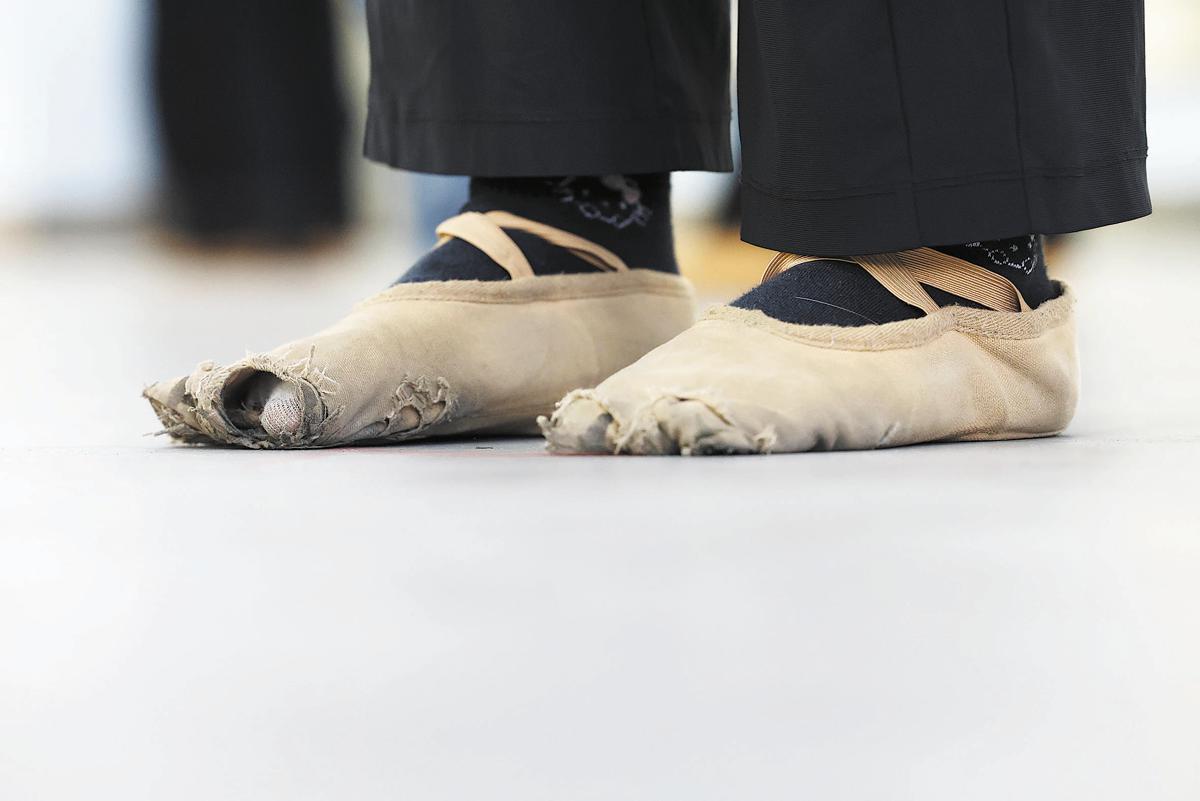
In the school's rehearsal room, Li's dance shoes, riddled with holes, stood out. Despite being provided with new shoes, she stubbornly continues to train in the old ones.
"The old dance shoes have a special meaning for me. They witnessed my learning process. From nervous tears during rehearsals to now being able to complete all the movements with ease, every mark holds a piece of my growth," Li said.
For 18-year-old Yang Xingyue, dance has completely changed her life. Once introverted and unwilling to interact with her classmates, she was discovered by her teachers for her potential and recruited into the troupe. "I'm graduating next year, and the award is the best graduation gift, and the most precious memory of my life," Yang said using sign language.
She added: "I went from being a substitute to being a lead dancer. The road was full of hardships, but it was worth it."
For deaf students, perceiving rhythm is the biggest challenge. To help the girls overcome this, four teachers tried their best — two guiding the dancers from different vantage points, one managing the lighting changes, and another serving as the team's lead dancer.
"Movements that normal dancers can master in five or 10 repetitions, our students need to practice 50 or 60 times. There are no shortcuts, only repetition and perseverance," said dance teacher Lei Yuanli. "There is no room for hesitation on stage. Even a small pause would be noticeable."
To alleviate the girls' anxieties, the teachers tirelessly refined the choreography and positioning, helping them find the best angles to observe the directions, ensuring every beat was accurately translated into body movements.