


Unboxing China's express delivery sector miracle









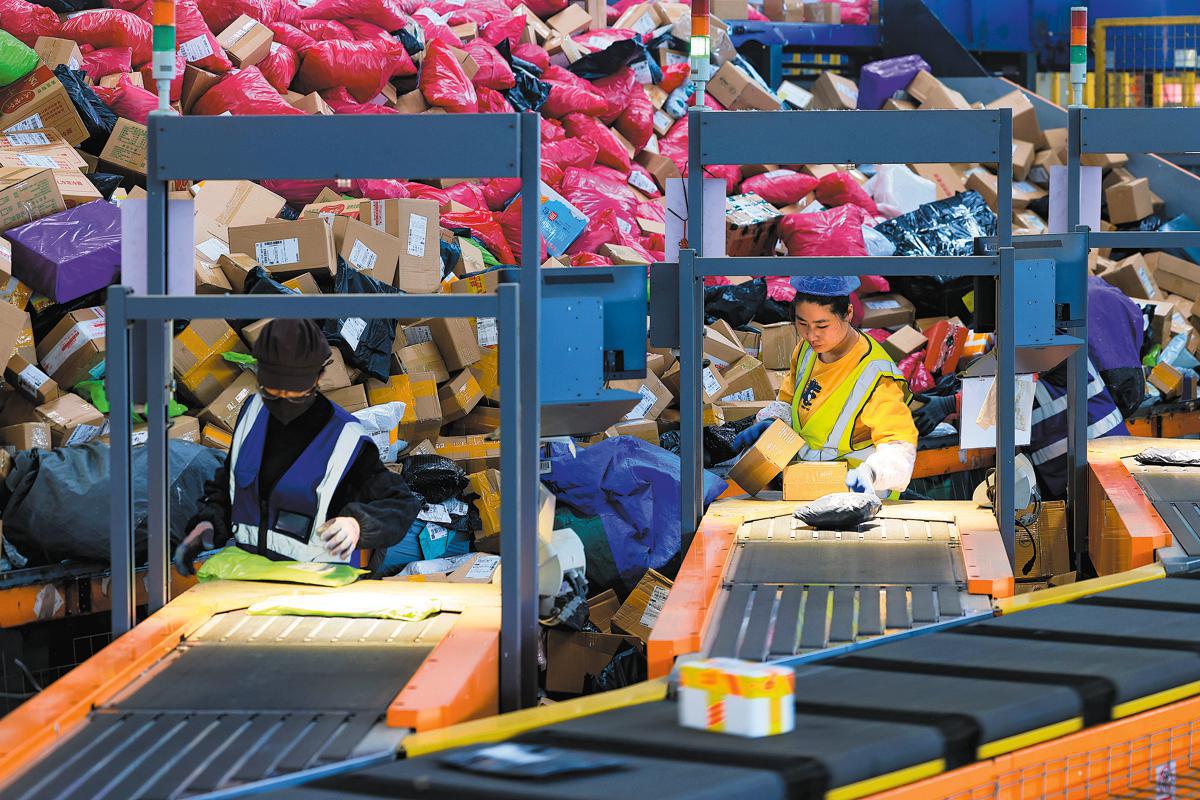
I was watching TV at home when there was a faint knock on my apartment door. But when I opened it, there was nobody outside except for a stack of boxes on the doormat and the sound of footsteps of the deliveryman hurrying down the stairs.
Households across China must be familiar with such scenes. By Oct 11, China's express delivery companies had already handled more than 150 billion parcels during the year. They reached that enormous number 37 days earlier than last year. At this pace, the industry might soon break last year's record of more than 174 billion pieces, and set a new record of close to 190 billion deliveries during a calendar year.
It is embarrassing to note that I am probably dragging down the national average. The 150 billion parcels indicate that on average each of the over 1.4 billion Chinese received more than 100 deliveries in the first 10 months of this year. I am not sure if I reached my quota.
The explosive growth of the delivery business in China is nothing short of astonishing. In 2014, about 14 billion parcels were delivered. Since then, the sector has grown at an annual rate of nearly 30 percent. Before we realized it, express delivery — just like smartphones — had changed our lifestyle and climbed its way to become one of the most important industries in the country.
For people of my generation, weekend shopping meant jotting down a list of what we needed to buy before heading for malls and supermarkets. Today's consumers are less patient. When they need something, they just pick up their smartphones and order online. Within a few minutes, the medicines and food they have ordered reach their doorstep. Other items could take a few hours or even a couple of days, but they will definitely reach the destination. As old-fashioned as I am, I must confess that I have not visited a mall in Beijing in the past five or six years. Many of them have morphed into gigantic food courts, casualties of the online shopping revolution.
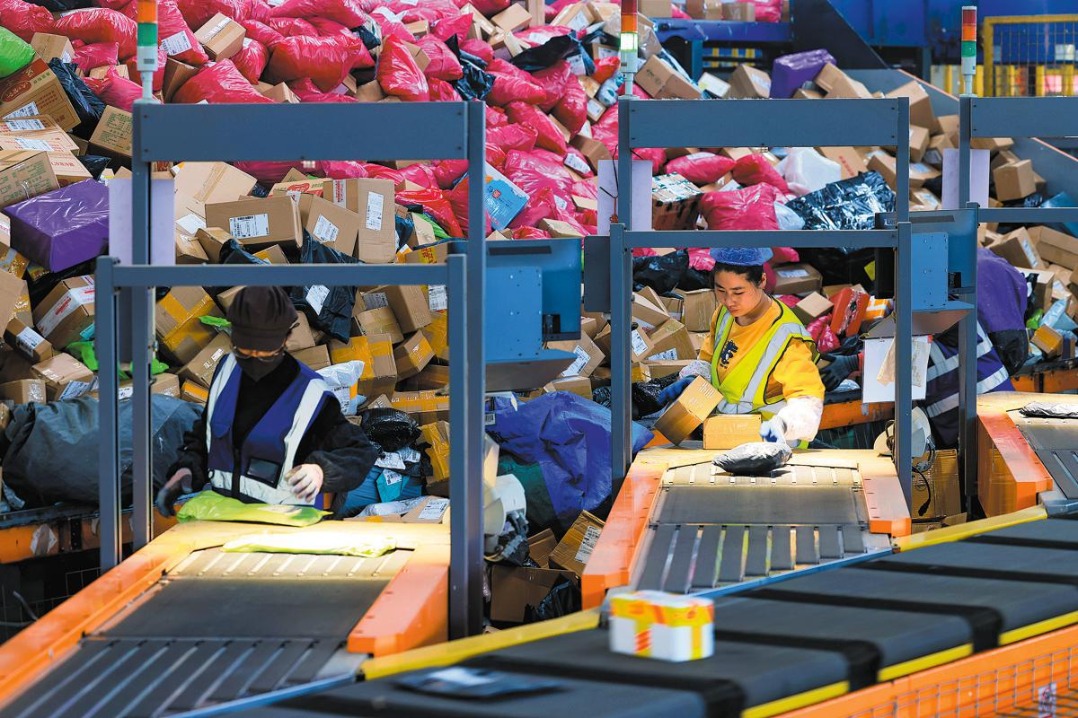
As a labor-intensive sector, express delivery is also a massive employment engine, providing jobs to a large number of people. There is no authoritative data on the number of people employed by the sector, but the top 10 delivery companies alone employ about three million people. To put that in perspective, there are more than one million registered delivery companies in China. Seeing hundreds of delivery persons zipping on bikes or tricycles on the streets, I would not be surprised if the total number of workers in the industry adds up to 10 million.
Most of these delivery persons are migrants from rural areas who make 5,000-10,000 yuan ($709-$1,419) per month by working long hours a day without weekends. An increasing percentage are graduates who take up these jobs temporarily while looking for better opportunities in big cities.
But this job is not without hazards. Delivery persons frequently jump red lights at high speed and go on sidewalks for shortcuts. This is because they are mostly paid on a per-delivery basis and a late drop can lead to complaints and heavy fines. Worse still, some companies had refused to buy social insurance for these workers until the government intervened. A healthy development of the sector requires such problems to be resolved and the rights of delivery workers fully protected.
Each time I unpack a box, I wonder how this efficiency can be so cheap. A bunch of 20 roses from the southern province of Yunnan, for instance, costs about 20 yuan in Beijing. A box of Xinjiang tomatoes weighing 2.5 kilograms costs the same. Considering the long chain of planting, nurturing, harvesting, packing and delivering them from thousands of kilometers away, the rock-bottom prices are unbelievable.
But there is a reason for the low cost. Governments at different levels subsidize the transfer of agricultural products, especially from underdeveloped areas. The delivery companies chip in by offering preferential prices while China's highways don't charge tolls from trucks carrying vegetables, fruits, fish, meat and milk.
These policies not only help farmers in poorer regions, but also fuel the continued rise of the delivery industry. I hope they will continue because they benefit both the poor rural areas and the men and women working in the delivery sector.
The author is former deputy editor-in-chief of China Daily.